

Common Children’s Tooth Injuries that Happen at Home
Childhood is full of movement, curiosity, and play, which also means the occasional fall or accident. While many injuries are minor, some can affect the teeth, gums, or surrounding oral tissues. Knowing how to respond after a tooth injury at home can improve the chances of protecting your child’s smile and reducing future complications. If your child experiences a serious dental injury, seeking care from an emergency pediatric dentist in Houston, TX, as soon as possible is important.
According to the American Academy of Pediatric Dentistry (AAPD), dental injuries are common during childhood, particularly as children develop balance, coordination, and confidence in their daily activities. Many of these accidents occur at home, but simple safety measures and timely dental care can often reduce their impact.
Why Children Are More Prone to Dental Injuries
Children are still developing coordination and body control, making them more likely to experience falls and accidental impacts than adults. Because they spend much of their time playing, exploring, and learning new physical skills, dental injuries are a frequent part of child dental trauma.
-
- Active Play and Movement
Running indoors, climbing on furniture, jumping from beds, or rough play can sometimes result in falls that affect the mouth or teeth.
-
- Developing Coordination
Toddlers and younger children are still learning balance and movement. As they become more independent, everyday activities naturally increase the risk of accidental falls.
-
- Hard Household Surfaces
Tile floors, hardwood floors, countertops, coffee tables, and furniture corners can make even a simple fall more likely to cause an oral injury.
-
- Growing Teeth and Jaws
In children, the jawbone and surrounding structures that support baby and newly erupted permanent teeth are still maturing. Even if an injury appears minor, the tooth or surrounding tissues may still be affected and should be evaluated when symptoms persist.
Common Children’s Tooth Injuries That Happen at Home
Prematurely Lost Baby Tooth
One of the most common childhood dental injuries is the early loss of a baby tooth. A sudden fall while running, climbing, or playing can cause a tooth to come out before it is naturally ready to fall out.
Although baby teeth are temporary, they help guide permanent teeth into the correct position and support normal speech and chewing. Losing one tooth too early may affect future dental development, so a professional evaluation is recommended.
Broken or Chipped Tooth
A fall against a hard surface or furniture edge can chip or fracture a tooth. Even a small chipped baby tooth deserves attention because damage beneath the enamel is not always visible.
If your child breaks a tooth:
- Stay calm and comfort your child.
- Locate any tooth fragments if possible.
- Store the fragment in milk or sterile saline. Clean water may be used temporarily if neither is available.
- Contact a pediatric dentist promptly for guidance.
What appears to be a minor chip may actually be a broken-tooth emergency, especially if the trauma has reached the tooth’s inner structure.
Knocked-Out Permanent Tooth
A knocked-out tooth in a child’s emergency requires immediate action because time is critical to saving the tooth.
If a permanent tooth is knocked out:
- Hold the tooth by the crown rather than the root.
- If appropriate, gently place it back into the socket.
- If this isn’t possible, keep the tooth moist in milk or saliva.
- Seek emergency dental care immediately.
The American Association of Endodontists (AAE) states that prompt treatment significantly improves the chance of saving a knocked-out permanent tooth.
Loose Tooth After a Fall
Sometimes a tooth stays in place but becomes loose after an accident. A loose tooth after a fall may indicate injury to the supporting tissues, even when no crack is visible. Because some dental injuries are not immediately obvious, arranging a professional dental evaluation is the safest way to determine whether treatment is needed.
Common Places at Home Where Tooth Injuries Happen
Many dental injuries happen during routine activities in familiar parts of the home. Recognizing where accidents are most likely to occur allows parents to reduce potential hazards before an injury happens.
-
- Bathroom
Wet floors and slippery surfaces increase the risk of falls, particularly for toddlers and young children.
-
- Living Room
Coffee tables, furniture corners, scattered toys, and climbing on sofas can all contribute to accidental falls and mouth injuries.
-
- Kitchen
Hard flooring, countertops, and dining chairs can increase the impact force if a child slips or falls.
-
- Stairs
Stairways are a frequent location for childhood falls. Installing safety gates for infants and toddlers may reduce the likelihood of facial trauma and dental injuries.
-
- Backyard or Play Area
Running, climbing, swinging, or playing on outdoor equipment may occasionally lead to falls or accidental collisions that affect the teeth.
What Parents Should Do Immediately After a Dental Injury
The first few minutes after a dental injury can influence how well the tooth heals. Staying calm also helps reassure your child during a stressful situation.
If an accident happens:
- Stay with your child and keep them as calm as possible.
- Check the area for bleeding and use clean gauze to apply light pressure if necessary.
- Apply a cold compress to the outside of the face to help reduce swelling.
- Look for any tooth fragments and keep them in milk or, if available, sterile saline.
- Contact a pediatric dentist promptly for professional guidance.
If you’re searching for an emergency kids dentist near me, seek care without delay if a permanent tooth has been knocked out or significantly damaged.
When to Seek Emergency Dental Care
Some dental injuries require immediate professional attention.
Contact a kids emergency dentist
- A tooth that has shifted out of position
- A knocked-out permanent tooth
- Heavy or ongoing bleeding
- Significant swelling of the face or gums
- Persistent or severe tooth pain
- A suspected jaw injury
Early evaluation through pediatric emergency dentistry may improve treatment outcomes and reduce the risk of long-term complications.
Why Prompt Treatment Matters
Receiving professional care soon after an injury offers several important benefits.
- Protects Developing Teeth: Early treatment may help preserve both baby teeth and developing permanent teeth.
- Relieves Pain: Appropriate care can reduce discomfort and support healing.
- Improves Treatment Outcomes: Timely management often increases the chance of saving injured permanent teeth and minimizing future dental problems.
How Parents Can Help Prevent Tooth Injuries at Home
Although accidents cannot be eliminated, practical safety measures can reduce the likelihood of dental injuries.
- Use safety gates on stairways to reduce the risk of falls and related injuries.
- Place a protective gate around fireplaces.
- Remove loose rugs, toys, and electrical cords from walkways.
- Add corner guards to sharp furniture edges.
- Encourage safe indoor play and supervise young children during active activities.
Creating a safer home environment helps children stay active while reducing the risk of unnecessary accidents involving the teeth and mouth.
Final Thoughts
Even a brief accident at home can affect a child’s developing teeth. Responding quickly and arranging a professional evaluation can make a meaningful difference in protecting your child’s oral health and supporting proper healing.
If your child experiences a dental injury, Greenway Pediatric Dentistry provides compassionate care focused on children’s oral health. If you need guidance after an accident, a pediatric dentist in Houston, TX can evaluate the injury and recommend the most appropriate care.
Frequently Asked Questions
Falls that lead to chipped teeth, loose teeth, or the premature loss of baby teeth are among the most frequently seen childhood dental injuries.
Yes. Even a small chip may involve deeper tooth structures, so it’s best to have the tooth examined by a pediatric dentist.
If it’s a permanent tooth, hold it by the crown, keep it moist, and seek emergency dental care immediately.
Yes. An injured tooth may have damage below the surface even when no crack is visible. A dentist should evaluate pain, sensitivity, or looseness.
Seek immediate care if your child has a knocked-out permanent tooth, severe bleeding, significant swelling, persistent pain, or a suspected jaw injury.
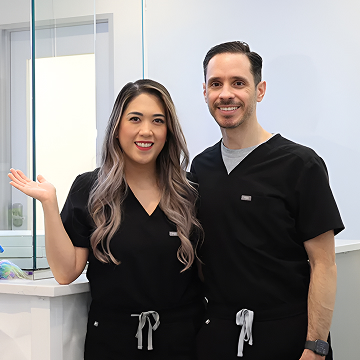
Trusted Pediatric Dental Experts
Dr. Michael Posada Orozco, DMD, MSD, CAGS, and Dr. Andrea Lam, DMD, MSD, MA, are board-certified pediatric dentists at Greenway Pediatric Dentistry in Houston, TX. With advanced training in pediatric dentistry and child development, they bring years of specialized experience in caring for infants, children, and adolescents.
Dr. Posada Orozco’s background includes extensive graduate studies that shaped his expertise in preventive care, minimally invasive treatments, and long-term oral health for growing smiles. Dr. Lam combines her clinical skills with a strong academic foundation, focusing on creating positive dental experiences and building healthy habits that last into adulthood.
Together, they are committed to pairing modern dental advancements with a warm, welcoming environment, ensuring each child receives safe, trustworthy, and high-quality care in a supportive environment.