

Early Tooth Loss in Children: How Restorative Dentistry Can Help
Losing a baby tooth too soon can change how a child eats, speaks, and smiles. Primary teeth guide jaw growth, hold space for adult teeth, and support confidence at school. With restorative treatments in Houston, TX, placed at the right time, dentists can protect spacing, relieve discomfort, and keep everyday routines, like chewing and brushing, easy while permanent teeth develop.
Why Primary Teeth Matter
Baby teeth are not “practice teeth.” They shape the arches and help jaws grow symmetrically. Each tooth maintains space for its successor, so when it exfoliates naturally, the adult tooth can erupt into place. Primary molars also build chewing skills, and front teeth support speech sounds like “f,” “s,” and “th.” Healthy baby teeth encourage positive brushing habits and reduce anxiety at dental visits.
Fast Facts: Why Saving Space Counts
- Guidance: Baby teeth act as natural “placeholders” for adult teeth.
- Function: Proper chewing supports nutrition and healthy weight gain.
- Speech: Front teeth help make clear sounds and prevent lisps.
- Confidence: An intact smile can reduce teasing and self-consciousness.
Common Causes of Early Tooth Loss
- Tooth decay (caries): Sugary drinks, frequent snacking, or inadequate brushing can lead to cavities that advance quickly in baby teeth.
- Dental trauma: Falls, playground bumps, or sports accidents may loosen or knock out a tooth.
- Infection: Untreated cavities can reach the nerve, causing abscesses and early extraction.
- Developmental enamel defects: Weak enamel chips or wear faster.
- Medical factors: Dry mouth, certain medications, or chronic conditions may elevate risk.
- Habits: Prolonged bottle use at bedtime or constant sipping of juice increases acid exposure.
Effects of Early Tooth Loss on Children
Removing a tooth early can allow neighboring teeth to drift into the gap. This narrows the space for the permanent tooth, increasing the odds of crowding or impaction. Chewing may shift to the opposite side, causing uneven wear or jaw fatigue. Some children avoid crunchy foods, limiting nutrition. Front-tooth loss can affect pronunciation and social comfort, especially during classroom reading or picture books.
Restorative Dentistry Options for Children
Treatment is personalized to the child’s age, which tooth was lost, and how long the adult tooth will take to erupt.
- Stainless steel crown (SSC): For deeply decayed molars, an SSC protects the tooth and preserves chewing until it naturally exfoliates.
- Pulp therapy (pulpotomy/pulpectomy): Removes infected tissue while saving the tooth’s structure and function.
- Tooth-colored fillings: Repair small to moderate cavities and blend with natural enamel.
- Space maintainers: When a primary tooth is lost early, a fixed or removable device holds the gap so the adult tooth has room.
- Pediatric partials (“pedo-partials”): Replace missing front teeth for esthetics and speech if appropriate.
- Mouthguards: Custom athletic guards reduce the risk of future trauma.
Choosing a Space Maintainer
- Indication: Early loss of a primary molar.
- Goal: Prevent drift of adjacent teeth.
- Types: Band-and-loop (single gap), lingual arch (multiple gaps), distal shoe (guides erupting first permanent molar).
- Care: Meticulous brushing/flossing and periodic checks for fit.
Prevention Partners
Fluoride varnish, dental sealants, and coaching on snack timing lower new-cavity risk around restored teeth. If grinding is noted, a simple night plan and behavior strategies can protect enamel until a guard is age-appropriate.
When to See a Dentist
Schedule a prompt visit if you notice:
- A loose or knocked-out baby tooth after a fall
- Tooth pain, swelling, or a pimple on the gums
- A dark spot, hole, or sensitivity to sweets or cold
- A new gap from an early loss, especially in the back teeth
- Speech changes, chewing avoidance, or mouth breathing
A dentist in Houston, TX, will evaluate spacing with radiographs, review eruption timing, and recommend a simple plan to protect alignment and comfort.
At-Home Care After Early Tooth Loss
- Keep it clean: Brush twice daily with a rice-sized (under 3) or pea-sized (3–6+) fluoride toothpaste amount. Floss where teeth touch.
- Watch snacks: Offer water between meals; limit grazing on sticky or sugary foods.
- Choose textures wisely: Soft foods for 24–48 hours after treatment; then reintroduce crunchy produce.
- Protect healing sites: Avoid straws or poking the area.
- Sports safety: Use a mouthguard during contact or wheel sports.
- Follow the calendar: Maintain 6-month checkups (or as advised) to track eruption and device fit.
Cost, Comfort, and Recovery Basics
Pediatric restorative care is designed for comfort and efficiency. Many treatments use local anesthesia; minimal sedation may be considered for very young or anxious children. Costs vary by procedure, materials, and insurance coverage. Space maintainers are typically more affordable than later orthodontic corrections that may be needed if drifting occurs. Most children return to school the same day or the next.
FAQs
How long does a space maintainer stay in?
Usually, until the permanent tooth begins to erupt into the space, your dental team checks it at routine visits and removes it when appropriate.
Are stainless steel crowns safe and visible?
Yes. They’re durable, widely used in pediatrics, and sit on back teeth where appearance is less noticeable. Tooth-colored options may suit certain cases.
What if my child knocks out a baby tooth?
Do not reinsert it. Call the dentist promptly. Re-insertion risks damage to the developing adult tooth. A visit confirms whether spacing support is needed.
Final Thoughts
Early tooth loss doesn’t have to disrupt eating, speech, or alignment. With timely evaluation and simple devices, kids can stay comfortable while adult teeth develop. If your family is exploring options, a supportive pediatric team can guide prevention, space maintenance, and follow-up. For friendly, kid-centered care that keeps growing smiles on track, the team at Greenway Pediatric Dentistry is here to help.
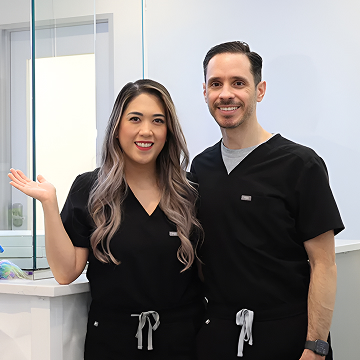
Trusted Pediatric Dental Experts
Dr. Michael Posada Orozco, DMD, MSD, CAGS, and Dr. Andrea Lam, DMD, MSD, MA, are board-certified pediatric dentists at Greenway Pediatric Dentistry in Houston, TX. With advanced training in pediatric dentistry and child development, they bring years of specialized experience in caring for infants, children, and adolescents.
Dr. Posada Orozco’s background includes extensive graduate studies that shaped his expertise in preventive care, minimally invasive treatments, and long-term oral health for growing smiles. Dr. Lam combines her clinical skills with a strong academic foundation, focusing on creating positive dental experiences and building healthy habits that last into adulthood.
Together, they are committed to pairing modern dental advancements with a warm, welcoming environment, ensuring each child receives safe, trustworthy, and high-quality care in a supportive environment.