

Why Regular Checkups Can Prevent Emergency Dental Visits for Kids
Regular dental visits help protect a child’s smile before small concerns become painful problems. In pediatric care, prevention matters because many urgent visits begin with issues that were easy to miss at home. Preventive pediatric dentistry focuses on routine exams, cleanings, and early guidance that support healthy development. It also helps children become comfortable with dental care from a young age. For parents, this means fewer surprises, better daily habits, and a lower risk of dental emergencies over time.
What Happens During a Regular Pediatric Dental Checkup?
A kids dental checkup gives the dentist a clear view of your child’s oral health and development.
The visit usually starts with a full oral examination. The dentist checks the teeth, gums, bite, and jaw growth. This helps identify early signs of wear, crowding, enamel changes, or areas where plaque collects easily. If X-rays are needed, they are taken carefully and only when they help evaluate a concern that cannot be seen during the exam.
A professional cleaning is also part of the visit. Removing plaque and tartar lowers the risk of tooth decay and gum irritation. Clean teeth also make it easier to spot changes that may need attention.
During these visits, the dentist can catch small areas of decay early, which supports early cavity detection for kids before discomfort starts. When a cavity is found early, treatment is often simpler and more comfortable. Early care can also help avoid infection or more extensive treatment later.
The visit also includes practical coaching. The dental team reviews brushing, flossing, and diet in ways children and parents can understand. This guidance supports healthy routines at home and helps children build confidence with dental care.
Common Dental Emergencies in Children
Toothache or Decay
A toothache can develop from untreated decay, food trapped between teeth, or irritation around the gums. A child may notice pain when chewing, sensitivity to cold foods, or soreness that keeps returning. In some cases, swelling may also appear.
Regular checkups help dentists find weak areas before decay becomes deep and painful. When decay is treated early, families are less likely to deal with the pain and disruption that come with urgent problems, which is one reason routine care helps prevent dental emergencies in children.
Chipped or Broken Teeth
Children often chip or break teeth during sports, falls, or playground accidents. A child tooth injury may seem minor at first, but even a small crack can expose sensitive tooth structure and create problems if it is ignored.
Routine visits help the dentist monitor teeth that may already be weak from wear or decay. Dentists can also talk with parents about mouthguards and other protective steps. Early treatment lowers the chance of pain, infection, and further damage.
Gum Injuries or Bleeding
Bleeding gums are not always an emergency, but they should not be dismissed. Plaque buildup, brushing too hard, or local irritation can lead to tenderness and bleeding. If those problems continue, the gums may become more inflamed.
Regular monitoring helps the dentist identify gum changes early. Early care can keep small concerns from progressing and support healthier gum tissue.
Benefits of Regular Pediatric Dental Checkups
- Help prevent cavities and enamel damage before they worsen
- Lower the need for emergency pediatric dentistry
- Build trust and comfort with dental visits at a young age
- Allow early review of bite and alignment changes
- These visits also give families practical advice on snacks, brushing, and routines that support healthy teeth habits for kids at home
- Encourage steady prevention instead of last-minute treatment
Tips for Maintaining Your Child’s Oral Health at Home
- Brush twice a day with fluoride toothpaste
- Floss once a day when your teeth touch
- Limit sticky snacks, juice, soda, and frequent sugar exposure
- Keeping visits on schedule also gives parents a chance to ask for age-specific child dental care tips that fit their child’s routine
- Use a mouthguard during sports and active play
- Most dentists recommend regular dental visits for children every six months, although some may need to be seen more often
How to Choose the Right Pediatric Dentist
The right pediatric dentist should combine clinical skill with a calm, child-focused approach. Children usually do better when the office feels welcoming, and the care team explains treatment in simple, reassuring language.
Experience with children matters. Pediatric dentists are trained to manage growing teeth, developing bites, and age-specific behavior needs. When parents start looking for a pediatric dentist near me, they are often hoping to find a practice that combines clinical skill with a calm approach to child care.
It is also helpful to ask whether the office can respond quickly when accidents happen. Families looking for the best pediatric dentist near me often value both prevention and timely support when a problem cannot wait.
A strong reputation matters as well. Parent reviews can offer insight into how a practice handles communication, comfort, and follow-up care.
Schedule a Checkup and Keep Your Child’s Smile Safe
Routine dental visits are one of the most reliable ways to reduce avoidable pain and protect a child’s oral health. They support early diagnosis, safer habits, and better long-term outcomes. Greenway Pediatric Dentistry helps families take a proactive approach to care, with a child-centered setting and preventive focus that many parents want when choosing a dental home for their children. Scheduling a checkup is a simple step that can help protect your child’s smile, so consider booking a visit to stay ahead of potential problems.
FAQs
How often should my child see a pediatric dentist?
Most children should see a pediatric dentist every six months. Some children may need visits more often based on cavity risk, oral hygiene, or developmental concerns.
Can regular checkups really prevent dental emergencies?
Yes. Many urgent dental problems begin as small issues that are easier to treat when found early. Routine care lowers the risk of pain, infection, and unexpected dental visits.
What should I do if my child has a toothache before the next checkup?
Gently rinse your child’s mouth with warm water and keep the area clean. Contact your dental office if the pain continues, especially if there is swelling, fever, or difficulty eating.
Are dental X-rays safe for children?
Dental X-rays can be safely used in children when they are limited to necessary cases and done with protective measures in place. They help dentists find problems that may not be visible during a visual exam.
How do I help my child maintain good oral hygiene at home?
Keep a simple routine. Help your child brush twice a day, floss once their teeth touch, and limit sugary snacks and drinks. Consistency makes a big difference.
What age should my child start visiting a dentist?
A child should usually have a first dental visit by age one or within six months after the first tooth appears.
How can a pediatric dentist prevent cavities and decay?
A pediatric dentist helps prevent cavities by monitoring growth, cleaning the teeth, identifying early signs of decay, and teaching families how to lower risk at home. This is also why parents may ask about emergency pediatric dentistry after a problem starts, even though prevention is always the better first step.
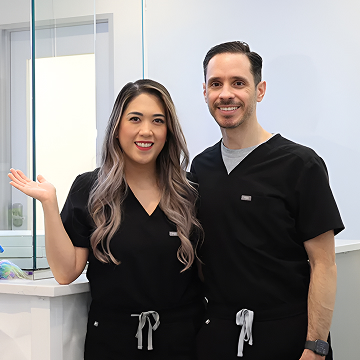
Trusted Pediatric Dental Experts
Dr. Michael Posada Orozco, DMD, MSD, CAGS, and Dr. Andrea Lam, DMD, MSD, MA, are board-certified pediatric dentists at Greenway Pediatric Dentistry in Houston, TX. With advanced training in pediatric dentistry and child development, they bring years of specialized experience in caring for infants, children, and adolescents.
Dr. Posada Orozco’s background includes extensive graduate studies that shaped his expertise in preventive care, minimally invasive treatments, and long-term oral health for growing smiles. Dr. Lam combines her clinical skills with a strong academic foundation, focusing on creating positive dental experiences and building healthy habits that last into adulthood.
Together, they are committed to pairing modern dental advancements with a warm, welcoming environment, ensuring each child receives safe, trustworthy, and high-quality care in a supportive environment.