

What to Do When Your Child Has a Dental Injury: A Parent’s Guide to Trauma Care
Dental injuries in children can happen suddenly and often without warning, especially during play or daily activities. For parents, situations involving dental trauma in children can feel stressful, especially when bleeding or discomfort is present
Understanding how to respond in the first few moments is important, as early action can help protect the affected tooth and reduce the risk of further complications.
When a Dental Injury Happens, Acting Early Matters
Dental injuries in children can occur suddenly during play, sports, or everyday activities. Knowing how to respond right away helps protect the tooth and limit further damage. Early care improves the chances of preserving the affected tooth and reducing complications.
Understanding Dental Trauma in Children
A dental injury may involve the tooth, surrounding gums, or supporting bone. The severity depends on how the impact occurred and which structures are affected.
You may notice:
- A small chip on the tooth surface
- A deeper fracture involving inner layers
- A tooth that has shifted position
- A knocked-out tooth in a child
Even when discomfort is minimal, underlying damage can still be present. Because dental trauma in children may affect the nerve or supporting tissues, evaluation is necessary to prevent complications.
Common Causes Of Dental Injuries In Children
Children are more likely to experience a child dental injury due to frequent physical activity and developing coordination.
Common causes include:
- Falls during play or climbing
- Contact during sports without protection
- Biting hard items such as ice or toys
- Accidents at home or outdoors
Being aware of these situations helps you stay prepared and act quickly if an injury occurs.
Signs That Your Child Needs Immediate Dental Care
Certain symptoms require quick action during a kids dental emergency.
Watch for:
- Bleeding that continues after initial pressure
- Persistent or sharp tooth pain
- A loose or displaced tooth
- Swelling in the gums, lips, or face
These signs often indicate deeper damage that requires urgent pediatric dental emergency care.
What to Do Immediately After a Dental Injury
Understanding what to do after dental injury allows you to respond calmly and protect your child.
Follow these steps:
- Stay calm and reassure your child
- Rinse the mouth gently with clean water
- If a permanent tooth is knocked out, hold it by the crown and place it in milk
- Apply a cold compress to limit swelling
- Contact a provider offering emergency dental care for kids in Greenway without delay
Quick action improves the chances of effective tooth injury care and reduces further complications.
How Pediatric Dentists Treat Dental Trauma
When your child is examined, the dentist assesses the injury and may take X-rays to evaluate the tooth and surrounding bone. During pediatric dental trauma treatment, decisions are based on the extent of damage and the condition of nearby structures.
Care may include:
- Chipped tooth treatment using bonding
- Stabilizing a loose or displaced tooth
- Restoring damaged areas with protective coverage
- Monitoring healing over time
In some cases, trauma can affect the tooth nerve and may require additional care if not treated early.
When to Visit an Emergency Pediatric Dentist
Treatment focuses on restoring function and protecting long-term development. Managing discomfort, stabilizing the tooth, and monitoring healing are part of the process.
Follow-up visits are included in emergency dental care to confirm the tooth remains stable and healing progresses properly.
Preventive steps can reduce the risk of tooth damage and protect your child’s oral health.
Helpful habits include:
- Using mouthguards during sports
- Making play areas safer at home
- Teaching children to avoid biting hard objects
- Scheduling regular visits with a kids dentist
Ongoing care through pediatric dentistry helps identify risks early and supports healthy development.
Some situations require urgent care from an emergency dentist for kids.
Do not wait if your child has:
- Ongoing or heavy bleeding
- Severe pain
- Increasing swelling
- A knocked-out permanent tooth
Timely care helps reduce complications and supports better healing. For families nearby, seeking dental injury treatment in the Upper Kirby Area without delay can improve recovery.
FAQs
Final Thoughts
Dental injuries can feel overwhelming, but clear steps and timely care make a meaningful difference. Knowing how to respond, recognizing warning signs, and seeking prompt evaluation all help protect your child’s oral health.
At Greenway Pediatric Dentistry, parents are guided through each step with clear explanations and safe, effective care.
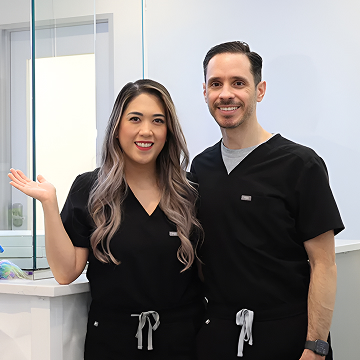
Trusted Pediatric Dental Experts
Dr. Michael Posada Orozco, DMD, MSD, CAGS, and Dr. Andrea Lam, DMD, MSD, MA, are board-certified pediatric dentists at Greenway Pediatric Dentistry in Houston, TX. With advanced training in pediatric dentistry and child development, they bring years of specialized experience in caring for infants, children, and adolescents.
Dr. Posada Orozco’s background includes extensive graduate studies that shaped his expertise in preventive care, minimally invasive treatments, and long-term oral health for growing smiles. Dr. Lam combines her clinical skills with a strong academic foundation, focusing on creating positive dental experiences and building healthy habits that last into adulthood.
Together, they are committed to pairing modern dental advancements with a warm, welcoming environment, ensuring each child receives safe, trustworthy, and high-quality care in a supportive environment.